Why Your Yard Stays Soggy After Rain: Common Drainage Problems in Marietta, GA
A Soggy Yard Usually Has a Water-Flow Problem
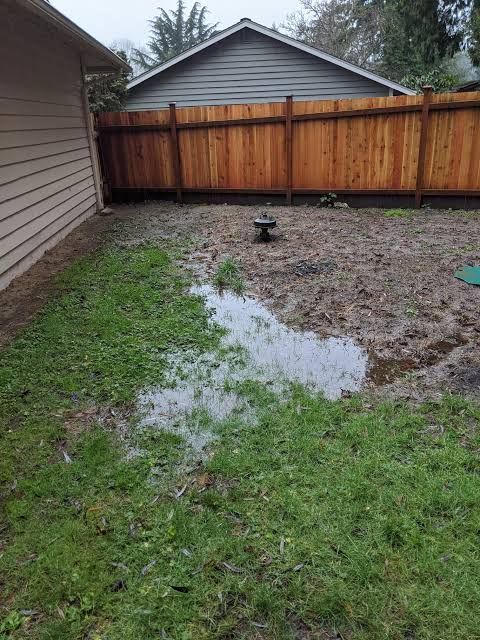
After a heavy rain, it is normal for a yard to be wet for a while. But if the rest of the neighborhood seems to dry out while parts of your property remain muddy, soft, or covered in standing water, there is probably more going on than simply too much rain.
Persistent wet areas are often a sign that water is not moving through or away from the property properly. For homeowners in Marietta, GA, yard drainage problems can be especially frustrating because the same low spot may become muddy after every storm. Over time, the problem can affect grass, landscaping, soil, and even areas around the home's foundation.
The important thing to determine is where the water is coming from and why it is collecting in that particular area. Installing a drain without answering those questions may move some water, but it does not necessarily solve the underlying drainage problem.
Why Does Water Keep Collecting in the Same Place?
Water naturally follows the easiest path downhill. When the grading, soil conditions, roof drainage, or surrounding landscape interfere with that path, water can collect where you do not want it.
Sometimes the cause is obvious, such as a downspout emptying directly into a low section of the yard. Other times, several smaller drainage issues are working together.
- Low spots in the yard: Depressions can collect runoff and hold water long after the rain ends.
- Poor grading: If the property slopes toward the house or another low area, rainwater naturally follows that path.
- Compacted soil: Dense soil can make it difficult for water to soak into the ground quickly.
- Downspout runoff: Gutters can collect a significant amount of roof water and dump it into one concentrated area.
- Neighboring properties: Water flowing downhill from another lot can contribute to drainage problems.
- Clogged drainage systems: Existing pipes, catch basins, or drains may stop working properly when they become blocked.
- Hardscaping: Driveways, patios, walkways, and other solid surfaces can change the direction and amount of runoff.
Roof runoff is an especially important part of the equation. A home's gutter system may be working perfectly, but if the downspouts release all that water directly beside the foundation or into an already wet section of lawn, the property can still have a drainage problem.
This is why homeowners searching for yard drainage solutions in Marietta, GA should look beyond the puddle itself. The wet spot is often only the place where the water finally ends up.
Terrain & Drain evaluates yard drainage problems by looking at how water moves across the property. Factors such as slope, soil, roof runoff, landscaping, existing drainage systems, and the location of the home can all help determine why an area stays wet.
Once the source and path of the water are understood, a drainage solution can be designed around the actual problem rather than repeatedly trying to dry out the same soggy section of lawn.
Not Every Wet Yard Needs the Same Drainage System
One of the biggest mistakes homeowners can make with yard drainage is assuming that every wet area needs the same solution. A French drain can be extremely effective in the right situation, but it is only one of several ways to manage excess water.
The right drainage system depends on whether the problem involves surface runoff, saturated soil, roof water, poor grading, or a combination of several factors. It also matters where the collected water can safely be directed.
- French drains: These can help collect and redirect water moving through saturated soil.
- Catch basins: A basin can collect surface water from a low area and connect it to an underground drainage line.
- Channel drains: These can be useful around driveways, patios, walkways, and other hard surfaces where runoff needs to be intercepted.
- Underground downspout drainage: Downspout lines can carry roof runoff farther away from the home instead of releasing it beside the foundation.
- Grading and re-sloping: Adjusting the land itself can help direct water toward a safer drainage area.
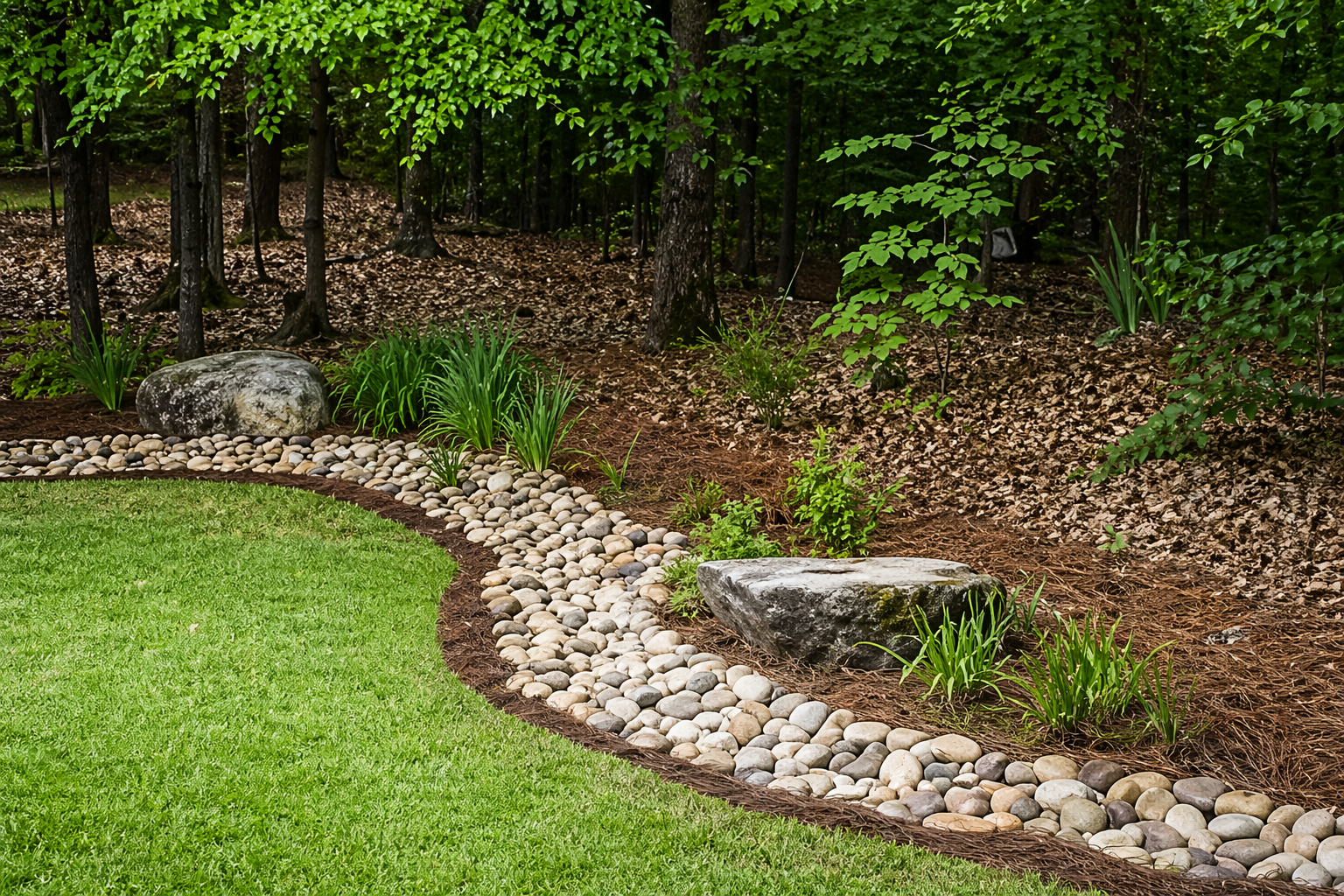
- Dry creek beds: In certain landscapes, a dry creek bed can help guide runoff while also becoming part of the property's landscaping.
In some yards, more than one of these methods may be needed. For example, underground downspout drainage may address roof runoff while a catch basin handles water collecting in a low section of the lawn.
The discharge point matters too. Collecting water is only half of the job. A drainage system also needs somewhere appropriate to send it. Simply moving water from one troublesome area to another does not solve the overall problem.
Why a French Drain Isn’t Always the Automatic Answer
French drains are one of the most recognizable yard drainage solutions, so homeowners often assume that installing one will fix any soggy lawn. They are particularly useful when water is moving through the soil or an area remains consistently saturated.
However, imagine that most of the water is actually coming from a roof downspout. Installing a French drain without addressing that concentrated roof runoff may not be the most direct solution. Extending the downspout underground could make more sense.
The same principle applies when the land itself is sloped incorrectly. If runoff continually flows toward the foundation, the drainage plan may need to address grading in addition to installing a drain.
Before choosing a drainage system, several questions should be answered:
- Where does the water first enter the problem area?
- Is the issue mainly surface runoff or water saturating the soil?
- Does the property slope toward or away from the house?
- Where are the gutter downspouts currently discharging?
- Do patios, driveways, or walkways redirect runoff?
- Is water entering from a neighboring or uphill property?
- Are existing drainage pipes or catch basins functioning properly?
- Where can collected water be safely discharged?
The Best Drainage Plan Starts With the Source of the Water
Solving the source of a drainage problem is usually more effective than continually treating the symptoms. If a section of grass keeps dying because it is saturated, replacing the grass alone will not change the conditions underneath it. If mulch repeatedly washes out during storms, adding more mulch will not correct the path of the runoff.
A properly planned drainage system is designed around the property itself. That may mean capturing water before it reaches the problem area, redirecting roof runoff, improving the grade, or creating an underground route that carries water away.
Terrain & Drain provides yard drainage solutions in Marietta, GA and surrounding communities, including French drain installation, catch basins, channel drains, underground gutter downspouts, grading, and other drainage improvements. The goal is to determine what is causing the wet conditions and match the solution to the property.

Standing Water Can Become More Than a Landscaping Problem
A soggy yard may start as an inconvenience, but poor drainage can eventually affect more than the lawn. When water repeatedly travels toward the same areas of a property, it can change the soil, damage landscaping, contribute to erosion, and keep moisture close to the home.
Grass and landscape plants can struggle when their roots remain in saturated soil for extended periods. Mulch and topsoil may wash away during heavy rain. Areas of the yard may become difficult to mow or practically unusable because the ground stays soft.
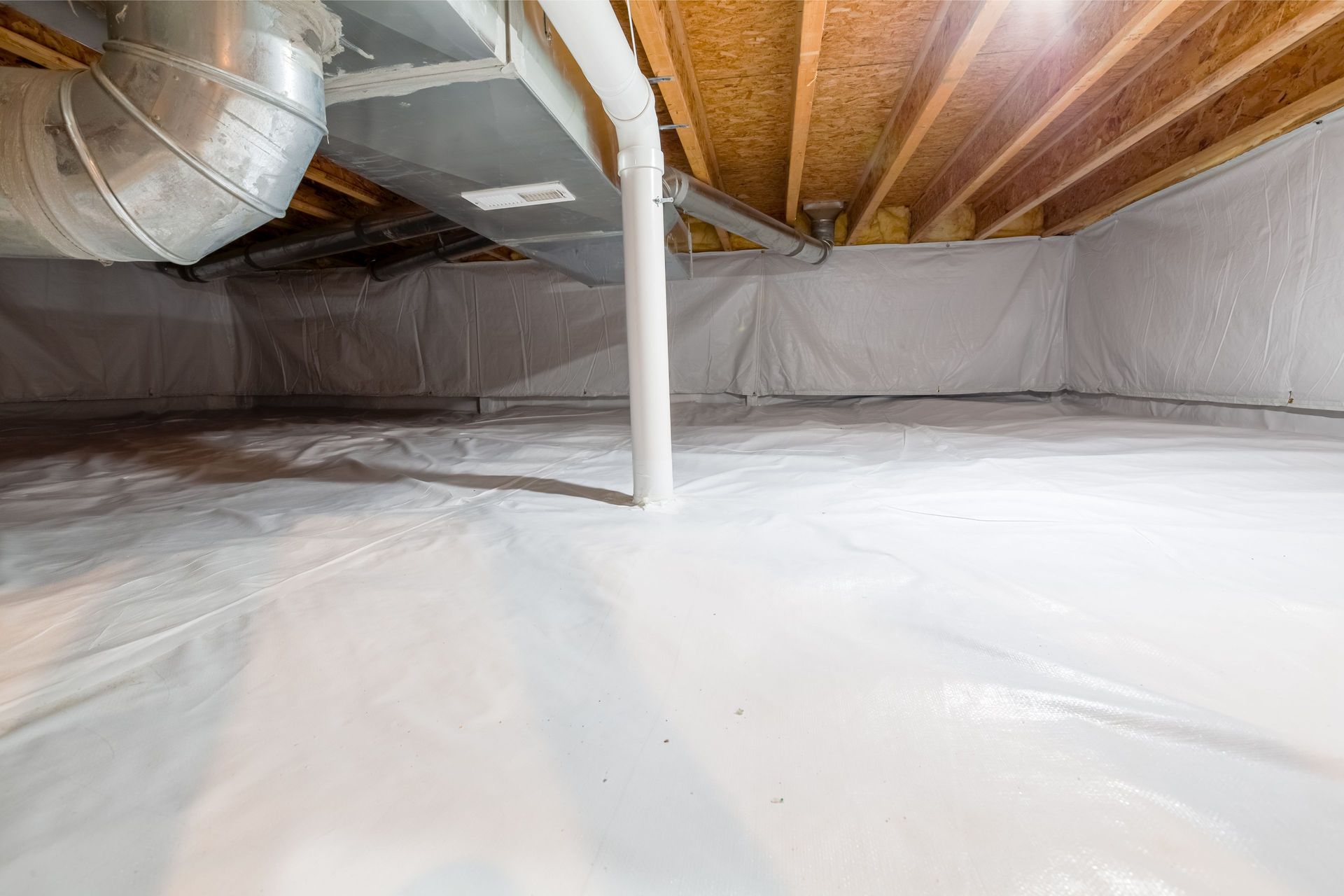
Water collecting close to the house deserves particular attention. Keeping runoff away from the foundation is an important part of managing moisture around a property. Depending on the construction of the home, persistent water near the foundation can also contribute to unwanted moisture in crawlspaces or basements.
- Soil erosion: Moving water can gradually carry soil away and create channels through the landscape.
- Damaged grass: Constantly saturated areas may become thin, muddy, or difficult to maintain.
- Landscape problems: Excess water can damage plants and wash away mulch or soil.
- Foundation-area pooling: Poor drainage can allow rainwater to collect close to the home.
- Crawlspace or basement moisture: Exterior drainage problems can contribute to moisture around below-grade or low areas of the structure.
- Standing water: Persistent puddles can make parts of the yard unusable and provide places for mosquitoes to breed.
Addressing drainage early can help protect both the appearance and usability of the property. It can also prevent homeowners from repeatedly spending money repairing landscaping that is being damaged by the same water-flow problem.
Look at the Whole Property, Not Just the Wet Spot
Good drainage planning requires a wider view of the property. The lowest puddle in the lawn may be where the problem is most visible, but the water could have traveled from the roof, driveway, backyard, neighboring property, or an uphill section of the landscape.
That is why the roof, gutters, downspouts, soil, grade, hardscaping, landscaping, and existing drainage system should all be considered together.
Timing can even help when diagnosing the issue. Paying attention during and immediately after a heavy rain can reveal where runoff is flowing, where it begins to pool, and which areas stay saturated the longest.
- Watch where water flows during a heavy rain.
- Look for puddles that remain long after the storm ends.
- Check whether downspouts discharge beside the house or into low areas.
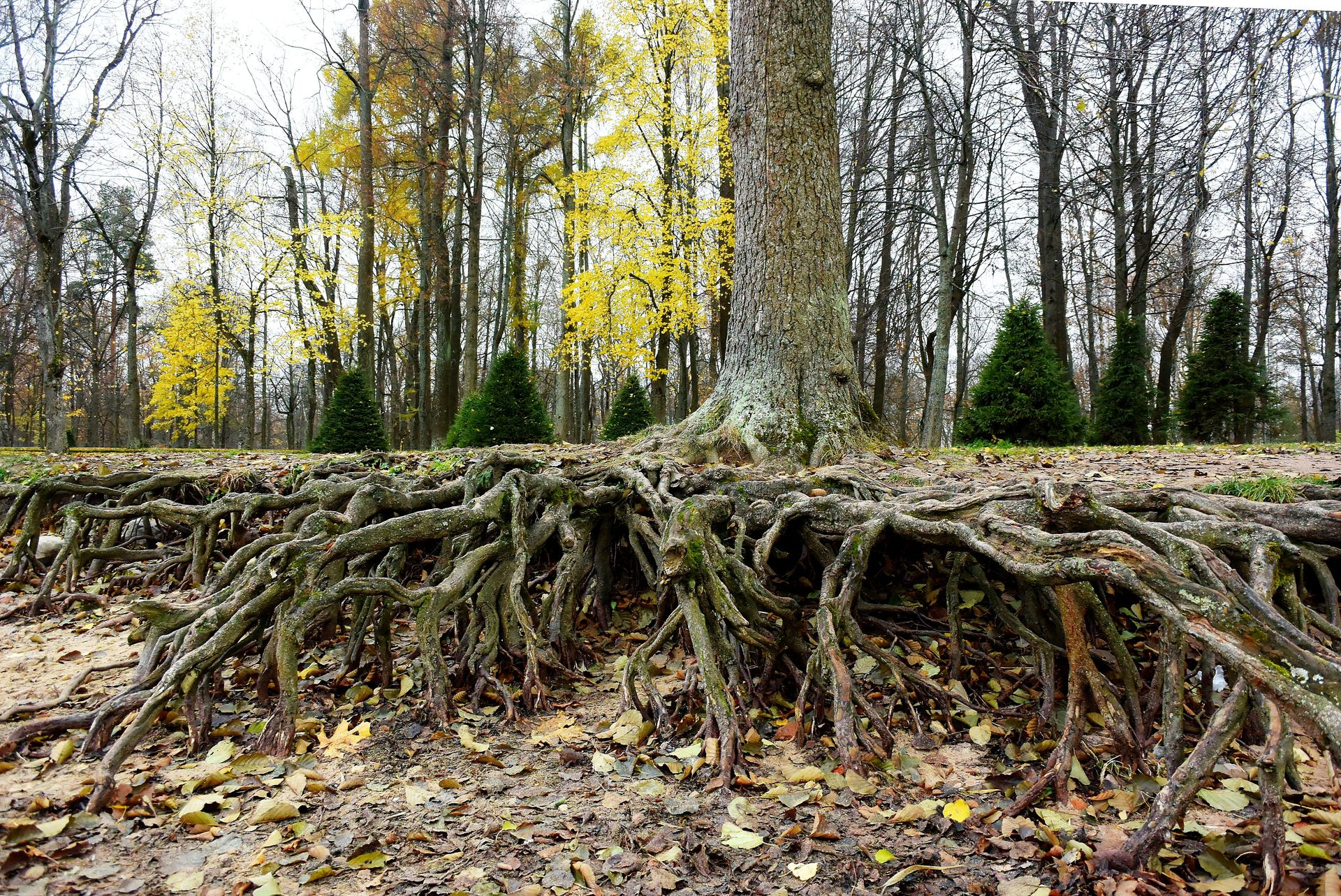
- Notice erosion, exposed roots, or mulch that repeatedly washes away.
- Look for water collecting near patios, driveways, and walkways.
- Pay attention to dampness around the foundation, crawlspace, or basement.
These observations can help identify patterns, but an effective drainage solution still needs to account for the property's overall conditions and a suitable place for the water to go.
Yard Drainage Solutions in Marietta, GA and Surrounding Areas
Terrain & Drain provides professional yard drainage services for homeowners in Marietta, GA and surrounding communities. Solutions may include French drains, catch basins, channel drains, underground gutter downspout drainage, grading, and other improvements designed around the way water moves across the property.
Their service area includes Marietta, Kennesaw, Woodstock, Smyrna, Powder Springs, Roswell, Acworth, Austell, Sandy Springs, Dallas, Canton, Alpharetta, and nearby communities.
If your yard remains soggy for days after rain, water repeatedly pools near the house, or the same sections of landscaping wash out during storms, the issue may be more than a temporary puddle. Identifying where that water is coming from is the first step toward finding a lasting solution.
Homeowners searching for yard drainage in Marietta, GA, French drain installation, standing-water solutions, underground downspout drainage, or professional yard grading can work with Terrain & Drain to evaluate the property and determine which drainage approach makes the most sense for their specific water problem.
Recent Posts