7 Warning Signs Your Trees and Shrubs Need Plant Health Care in Marietta, GA
Healthy Landscapes Usually Give You an Early Warning
Trees and shrubs rarely go from healthy to severely damaged overnight. In most cases, they show smaller warning signs first. Leaves may begin changing color earlier than expected, certain branches may stop producing new growth, or one section of the plant may look noticeably thinner than the rest. These changes are easy to dismiss, especially when the plant is still alive and otherwise looks normal from a distance.
For homeowners in Marietta, GA, recognizing those early signs can make a meaningful difference. North Georgia landscapes deal with hot summers, high humidity, intense storms, heavy rain, compacted soil, and occasional stretches of dry weather. Trees and shrubs must continually adjust to those changing conditions. When a plant is already weakened by poor drainage, root damage, disease, or insects, seasonal stress can make the problem worse.
Plant health care focuses on identifying these concerns before the damage becomes severe. Instead of waiting until a tree loses most of its canopy or a row of shrubs turns completely brown, homeowners can have the symptoms evaluated while there may still be time to correct the underlying cause. Early attention can also help prevent pests or diseases from spreading to nearby plants.
Seven Signs Your Trees and Shrubs May Need Help
Some changes are part of a plant’s normal seasonal cycle. Leaves naturally fall, older branches occasionally die back, and growth rates can vary from year to year. The concern is usually not one isolated leaf or a single small twig. It is a noticeable pattern that continues, spreads, or returns each season.
Homeowners should pay attention to warning signs such as:
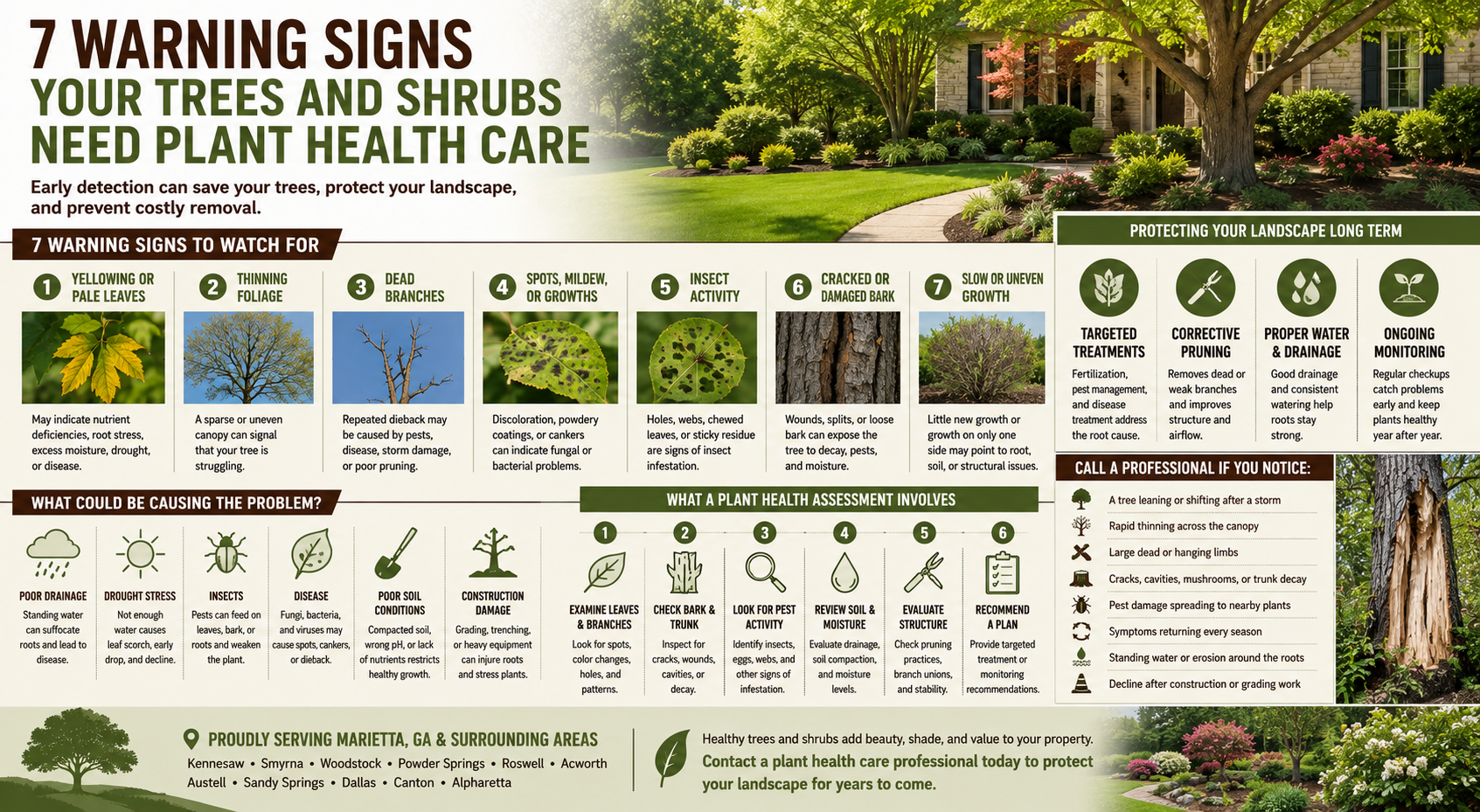
- Yellowing or unusually pale leaves: Leaves that lose their normal color during the growing season may point to nutrient deficiencies, root stress, excess moisture, drought, or disease.
- Thinning foliage: A canopy that looks sparse or uneven may indicate that the tree is struggling to support healthy growth.
- Dead branches: Repeated branch dieback can result from pests, disease, storm damage, poor pruning, or problems below the soil.
- Spots, mildew, or unusual growths: Discoloration, powdery coatings, mushrooms, cankers, or abnormal swelling may be related to fungal or bacterial problems.
- Visible insect activity: Holes, webs, sticky residue, chewed leaves, sawdust-like material, or clusters of insects deserve closer attention.
- Cracked or damaged bark: Splits, loose bark, wounds, and hollow areas can expose the plant to decay, pests, and moisture intrusion.
- Slow or uneven growth: A plant that produces very little new growth or develops only on one side may be experiencing root, soil, sunlight, or structural issues.
Yellow leaves are one of the most common symptoms homeowners notice, but they do not always mean the same thing. A shrub planted in an area that stays wet may develop yellow foliage because its roots are not receiving enough oxygen. Another plant may show similar discoloration because the soil lacks a particular nutrient. Applying fertilizer without understanding the cause may not solve the problem and can sometimes place additional stress on the plant.
Thinning foliage also deserves attention, especially when it occurs in the upper canopy or along several major branches. Trees rely on their leaves to produce energy. When large sections stop producing healthy foliage, it may be a sign that water and nutrients are not moving properly through the plant. The cause could be related to roots, insects, disease, soil compaction, or damage to the trunk.
Dead branches should be evaluated based on their size, location, and pattern. A few small dead twigs after winter may not be unusual. Large limbs, repeated dieback, or dead branches throughout the canopy are more concerning. They may create a safety risk during storms and can indicate that the tree is experiencing a broader health problem.
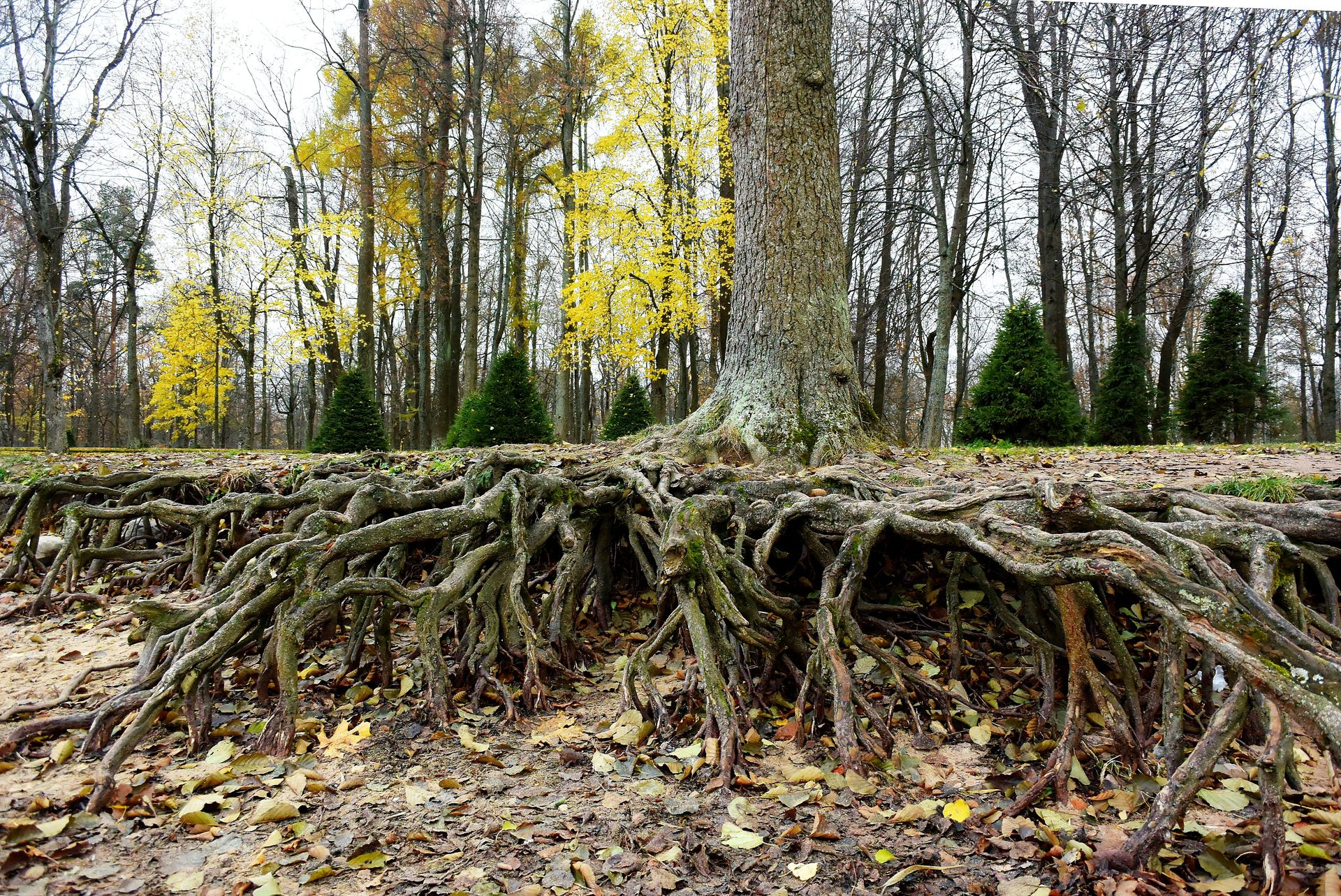
Homeowners should also look at the plant as a whole rather than focusing only on the leaves. The trunk, bark, soil line, surrounding ground, and nearby plants can all provide useful clues. Standing water, exposed roots, soil piled around the trunk, recent construction, or changes in drainage may help explain why a previously healthy tree or shrub has begun to decline.
The earlier these patterns are noticed, the easier it is to document how quickly they are changing. Taking clear photos every few weeks can help homeowners compare leaf color, canopy density, and the spread of visible damage. That information can also be helpful during a professional plant health assessment.
Common Causes of Tree and Shrub Stress
The same symptom can have several possible causes, which is why plant health problems are not always easy to diagnose from appearance alone. Yellow leaves, for example, may be connected to a nutrient deficiency, but they can also develop when roots remain too wet, soil is compacted, or a disease interferes with the plant’s ability to move water. A treatment that works for one cause may be ineffective for another.
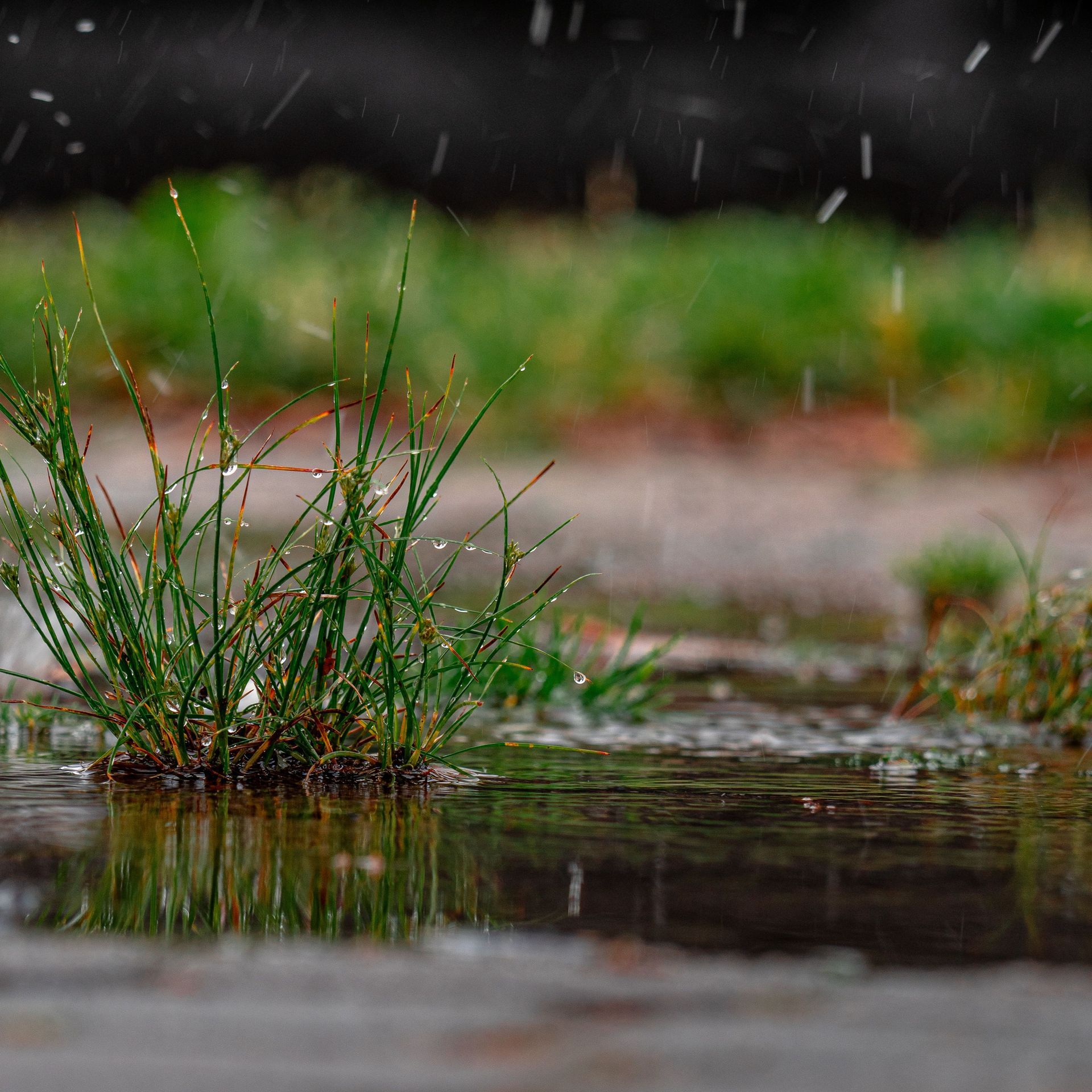
Water is one of the most important factors in plant health. Trees and shrubs need enough moisture to support growth, but their roots also need oxygen. When soil remains saturated for long periods, roots may weaken or begin to decay. Plants growing in poorly drained areas can become more vulnerable to fungal problems, insects, and environmental stress.
This is especially relevant for properties in Marietta and surrounding North Georgia communities where heavy rain may cause water to collect in low areas. Drainage problems are not limited to visible puddles. Water can also move beneath the surface, remain trapped near roots, or repeatedly wash soil away from parts of the root system. Correcting the moisture issue may be an important part of improving the plant’s long-term health.
Drought stress can create similar symptoms. Leaves may curl, turn brown along the edges, or fall earlier than expected. Newly planted trees and shrubs are especially vulnerable because their roots have not yet expanded into the surrounding soil. Even established plants may struggle during prolonged heat if the soil dries quickly or roots have been damaged.
Insects can affect leaves, stems, bark, or roots. Some chew visible holes in foliage, while others feed beneath the bark or draw sap from the plant. Signs may include webbing, sticky residue, distorted leaves, small holes, bark damage, or fine material that resembles sawdust. Because certain insects are active only during particular seasons, the timing of the symptoms can help with identification.
Disease can also appear in several forms. Leaf spots, powdery coatings, cankers, oozing areas, mushrooms, and rapid branch dieback may all indicate possible infection or decay. However, disease symptoms sometimes develop after a plant has already been weakened by poor drainage, storm damage, incorrect pruning, or environmental stress. Treating the disease without addressing the original stressor may only provide temporary improvement.
Why the Same Symptom Can Have Different Causes
A tree with thinning leaves may have root damage, insect activity, soil problems, or a damaged trunk. A shrub with brown branches may be suffering from drought, excessive moisture, winter injury, or disease. Even nearby plants can react differently because of variations in species, age, sun exposure, and root development.
A professional plant health assessment looks beyond the most visible symptom. The goal is to understand how the plant, soil, moisture, pests, and surrounding landscape may be interacting. An evaluation may include:
- Examining leaves and branches: Leaf color, shape, spots, holes, and patterns of dieback can offer useful diagnostic clues.
- Checking bark and trunk condition: Cracks, wounds, loose bark, cavities, and cankers may reveal structural damage or decay.
- Looking for pest activity: Insects, eggs, webs, entry holes, residue, and feeding damage may help identify a specific pest.
- Reviewing soil and moisture conditions: Standing water, dry soil, erosion, compaction, and changes in drainage can affect root health.
- Evaluating pruning and structure: Poor cuts, crossing limbs, weak branch attachments, and storm damage may contribute to decline.
- Recommending treatment or monitoring: The next step may involve fertilization, pruning, pest management, disease treatment, drainage improvement, or continued observation.
Recent changes to the property should also be considered. Construction, grading, trenching, new walkways, soil added around the trunk, or heavy equipment operating near a tree can damage roots. Because much of a tree’s root system is relatively close to the soil surface, damage can occur even when the trunk and branches appear untouched.
Improper mulching is another common source of stress. Mulch can help conserve moisture and regulate soil temperature, but piling it against the trunk may trap moisture and encourage decay. A wide, shallow mulch layer is generally more helpful than a deep mound pressed against the bark.
Pruning practices matter as well. Corrective pruning can remove dead or damaged branches, improve structure, and reduce certain risks. Excessive or poorly placed cuts can weaken a tree, create unnecessary wounds, and stimulate unstable growth. Shrubs can also become stressed when they are repeatedly cut into shapes that do not match their natural growth habits.
The purpose of plant health care is not to apply the same treatment to every tree or shrub. It is to identify the most likely cause and create a plan suited to the plant, property, and local conditions. That targeted approach can help homeowners avoid spending money on products or services that do not address the real problem.
How Plant Health Care Supports Long-Term Growth
Plant health care is not limited to trying to save a tree that is already close to failure. It can also be used proactively to support trees and shrubs before serious decline develops. Regular observation, proper pruning, thoughtful watering, pest monitoring, and attention to soil conditions can help plants remain stronger and better able to handle environmental stress.
The recommended care plan will depend on what is causing the symptoms. A nutrient deficiency may call for a targeted soil or fertilization strategy. Insect activity may require treatment at a particular stage in the pest’s life cycle. Disease management may involve pruning infected material, improving airflow, correcting moisture conditions, or applying an appropriate treatment.
Corrective pruning may be recommended when dead, damaged, rubbing, or poorly attached branches are affecting the plant’s structure. Removing the right branches can improve safety and allow the tree or shrub to direct energy toward healthier growth. The goal should not be to remove as much material as possible, but to make careful cuts that support the plant’s natural form.
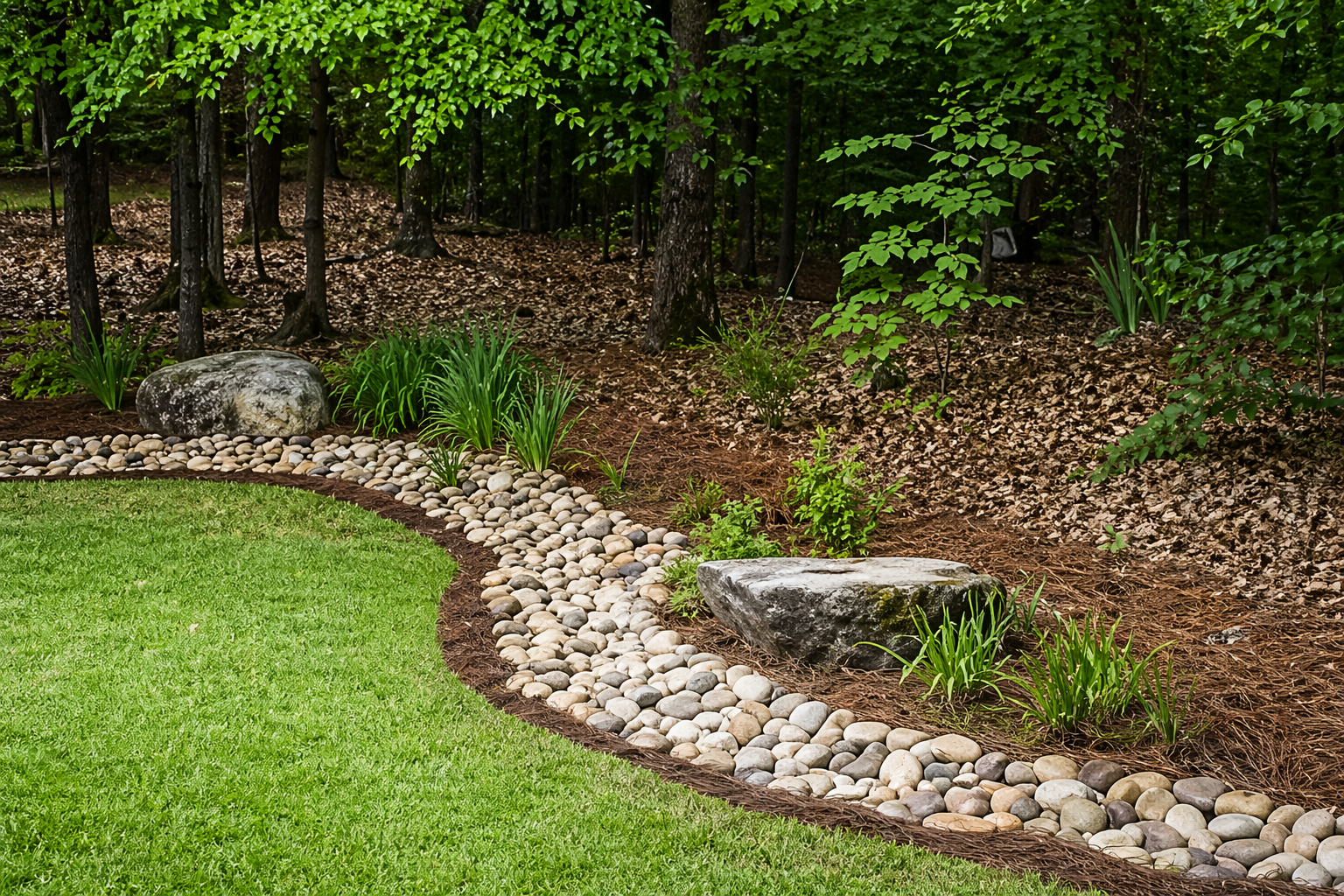
Drainage improvements may also be part of the solution. When water repeatedly collects around roots, treating leaf symptoms alone may not produce lasting results. Redirecting water, correcting grading issues, or installing an appropriate drainage system can help create healthier growing conditions for the entire landscape.
Ongoing monitoring is often important because plant health can change gradually. Some treatments take time to produce visible improvement, and new growth may not appear until the following season. A tree that has experienced several years of stress may need more than one service or adjustment before its condition stabilizes.
Homeowners can support professional plant health care by following several basic practices:
- Water deeply and appropriately instead of relying only on brief surface watering.
- Avoid piling mulch directly against trunks and shrub stems.
- Keep lawn equipment from damaging bark and exposed roots.
- Do not add large amounts of soil over an established root system.
- Watch for recurring leaf discoloration, insect activity, or branch dieback.
- Schedule an evaluation before symptoms become widespread.
When to Call a Marietta Tree Care Professional
Some plant concerns can be monitored for a short period, while others deserve prompt attention. A tree that suddenly leans, develops a large crack, or loses a major limb after a storm may present an immediate safety concern. Rapid changes are generally more urgent than slow, minor seasonal variations.
Professional evaluation is especially important when symptoms affect large branches, the trunk, or a significant portion of the canopy. Homeowners should consider scheduling service when they notice:
- A tree leaning or shifting after a storm
- Rapid thinning across the canopy
- Large dead or hanging limbs
- Cracks, cavities, mushrooms, or visible trunk decay
- Pest damage spreading to nearby trees or shrubs
- Repeated symptoms returning each growing season
- Standing water or erosion around the root zone
- A noticeable decline following construction or grading work
Not every unhealthy tree needs to be removed. Some plants can recover when the source of stress is identified early and treated appropriately. Others may be too damaged, structurally unstable, or severely decayed to preserve safely. A professional assessment can help homeowners understand the difference and make a decision based on the tree’s condition rather than appearance alone.
When removal is necessary, the surrounding landscape should still be considered. The cause of decline may affect nearby plants, especially if the issue involves poor drainage, disease, or certain pests. Understanding why one tree failed can help homeowners protect the remaining trees and shrubs on the property.
Terrain & Drain provides plant health care and related landscape services for homeowners in Marietta, GA, and surrounding communities, including Kennesaw, Smyrna, Woodstock, Powder Springs, Roswell, Acworth, Austell, Sandy Springs, Dallas, Canton, and Alpharetta. Their experience with trees, drainage, and outdoor property conditions allows them to evaluate more than one part of the landscape when symptoms may be connected.
A healthy landscape adds shade, privacy, beauty, and value to a home, but maintaining it requires more than reacting to visible damage. Paying attention to early warning signs gives homeowners a better chance to protect established trees and shrubs before the problem becomes more difficult or expensive to address.
If your trees or shrubs are showing unusual color, thinning foliage, dead branches, insect damage, or other signs of stress, contact Terrain & Drain for plant health care in Marietta, GA. A professional evaluation can help identify the likely cause, determine whether treatment is appropriate, and create a practical plan for supporting the long-term health of your landscape.
Recent Posts