Why Your Crawlspace Feels Damp: How Moisture Gets In and What to Do About It
This is a subtitle for your new post
Where Crawlspace Moisture Actually Comes From
A damp crawlspace is one of those home problems that can be easy to ignore because it is hidden out of sight. Homeowners may notice a musty smell, higher indoor humidity, damp insulation, or condensation before they ever see standing water beneath the house. The challenge is that crawlspace moisture can come from several different sources, and the right solution depends on understanding where that moisture is getting in.
For homeowners in Marietta and throughout the surrounding North Metro Atlanta area, crawlspace moisture is especially important to take seriously because Georgia’s humidity, frequent rain, and changing weather conditions can all contribute to damp conditions below the home. In some cases, the problem is mainly humidity. In others, poor drainage around the foundation, exposed soil, plumbing leaks, or water intrusion may be contributing as well.
One of the most common sources is moisture rising from the ground itself. Many crawlspaces have exposed soil or only partial ground coverage. Even when the soil does not look visibly wet, moisture can evaporate upward and increase humidity inside the crawlspace. Over time, that constant moisture can create a damp environment beneath the home.
Outdoor air can also play a role. Traditional vented crawlspaces allow humid outside air to enter freely. During warm, humid weather, that air can move into the cooler crawlspace and create condensation on pipes, ductwork, framing, or other surfaces. What seems like a small amount of seasonal dampness can become a recurring moisture problem if conditions remain humid for long periods.
Water around the foundation is another major factor. If gutters overflow, downspouts discharge too close to the home, grading directs water toward the foundation, or yard drainage is poor, rainwater can collect near the crawlspace walls. Over time, that water may seep or migrate into the space beneath the house.
Common Signs of a Damp Crawlspace
Because most homeowners do not regularly crawl underneath their homes, the first warning signs often appear somewhere else. Paying attention to these clues can help you recognize a moisture issue before it becomes more serious.
- Musty or earthy odors inside the home
- Damp or sagging insulation beneath the floor
- Condensation on pipes, ductwork, or crawlspace surfaces
- Visible moisture or water stains on foundation walls
- High indoor humidity that seems difficult to control
- Soft, damp, or darkened wooden framing
- Mold or mildew growth beneath the home
- Standing water or consistently wet soil in the crawlspace
Plumbing leaks should not be overlooked either. A slow leak from a supply line, drainpipe, or fixture above the crawlspace can introduce a surprising amount of moisture over time. That is why it is important not to assume every damp crawlspace simply needs a vapor barrier. The actual source of the moisture should be identified first.
In many homes, there may be more than one contributing factor. Ground moisture, humid air, and poor exterior drainage can all combine to keep a crawlspace damp. Looking at the crawlspace along with the drainage conditions around the home gives homeowners a much clearer picture of what needs to be corrected.
Why Crawlspace Moisture Can Affect the Rest of Your Home
A damp crawlspace is not only an issue beneath the house. Because the crawlspace sits directly below the living area, long-term moisture can affect building materials, indoor comfort, and the overall condition of the home. That is why moisture problems are usually easier and less expensive to address before they become severe.
One concern is mold and mildew. Moist environments create conditions where microbial growth can develop on wood, insulation, and other materials. Mold is not always immediately visible, especially in dark areas beneath the home, but musty odors or persistent dampness can be clues that conditions are favorable for growth.
Wooden framing can also be affected by prolonged exposure to moisture. Floor joists, beams, subflooring, and other structural materials are designed to stay relatively dry. When they remain damp for extended periods, they may begin to show staining, softness, deterioration, or other signs of damage.
Pests are another reason moisture control matters. Damp environments can be attractive to insects and other unwanted pests. While encapsulation is not a pest-control treatment, reducing excessive moisture can help make the crawlspace less hospitable.
When Moisture Is More Than a Seasonal Nuisance
Some homeowners notice that their crawlspace feels more humid during the summer and assume the problem will disappear when the weather changes. Seasonal conditions can certainly affect humidity, but persistent moisture, visible water, or repeated mold and mildew concerns deserve closer attention.
The difference often comes down to whether the moisture is temporary or whether the crawlspace is consistently unable to dry out. A professional evaluation can help identify whether the issue is mainly ground vapor, humid outside air, drainage around the foundation, an active leak, or a combination of factors.
Signs the crawlspace should be professionally evaluated include:
- Standing water after heavy rain
- Repeated mold or mildew growth
- Persistent musty odors inside the house
- Wet or deteriorating insulation
- Visible condensation during much of the year
- Wood that appears stained, softened, or damaged
- Humidity problems that continue despite normal indoor climate control
Simply placing a fan in a damp crawlspace may move air around, but it does not necessarily stop moisture from entering. Likewise, installing a basic sheet of plastic over part of the soil may not solve the problem if water is coming through foundation walls or collecting around the home because of poor drainage.
This is where Terrain & Drain’s broader drainage and waterproofing experience becomes important. Crawlspace moisture is often connected to what is happening outside the home. If rainwater is consistently being directed toward the foundation, encapsulating the crawlspace without addressing that water source may leave part of the problem unresolved.
Homeowners in Marietta, Woodstock, Kennesaw, Smyrna, Roswell, Acworth, Canton, Alpharetta, and surrounding communities should think of crawlspace moisture control as a system rather than a single product. The goal is to identify how moisture is entering, reduce those pathways, and create conditions that allow the space beneath the home to stay more stable and dry.
How Crawlspace Encapsulation Helps Control Moisture
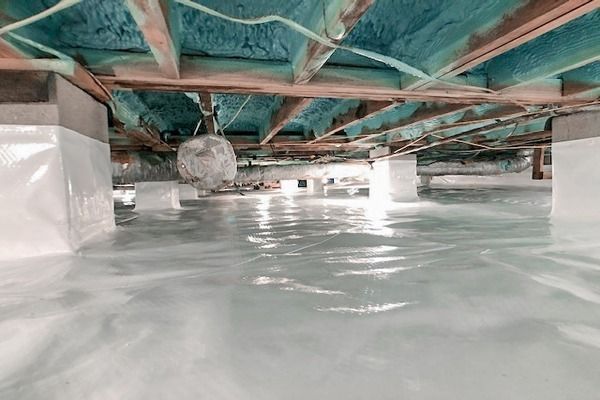
Crawlspace encapsulation is designed to reduce the amount of moisture entering and circulating through the space beneath a home. Rather than leaving exposed soil and open vents to interact freely with outdoor conditions, encapsulation creates a more controlled environment.
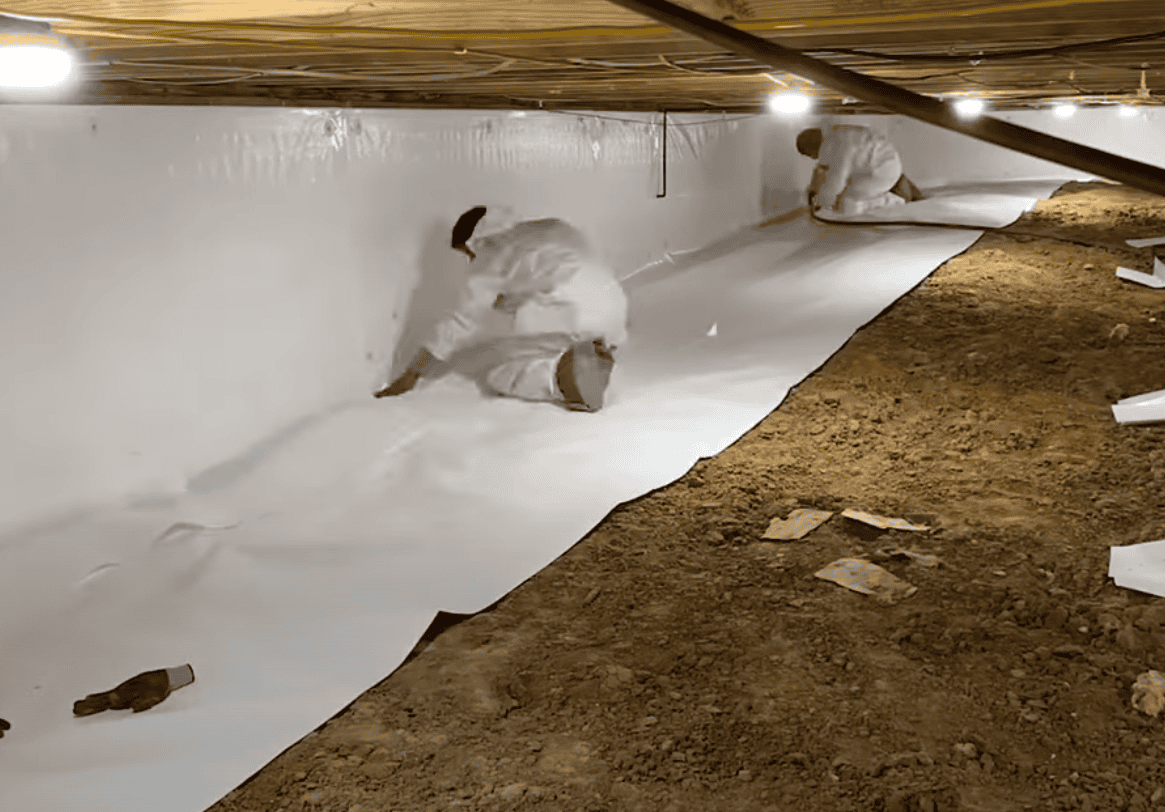
A typical system may include a heavy-duty vapor barrier installed across the crawlspace floor and extended along foundation walls or other surfaces as appropriate. The purpose of that barrier is to limit ground moisture from evaporating into the crawlspace air.
Openings and vents may also be sealed as part of the process. This reduces the amount of hot, humid outside air entering the crawlspace during Georgia summers. By limiting outside air and ground moisture, homeowners can create conditions that are easier to control.
Depending on the crawlspace, additional humidity control may also be recommended. A crawlspace dehumidifier can help maintain a more consistent moisture level after the space has been properly sealed. In other cases, drainage improvements or waterproofing may be necessary first if active water intrusion is present.
Encapsulation Works Best When the Water Source Is Addressed First
One of the most important parts of crawlspace waterproofing is determining whether water is entering from outside the foundation. If the yard slopes toward the house, downspouts discharge near the foundation, or runoff collects beside the home, drainage improvements may need to be part of the overall solution.
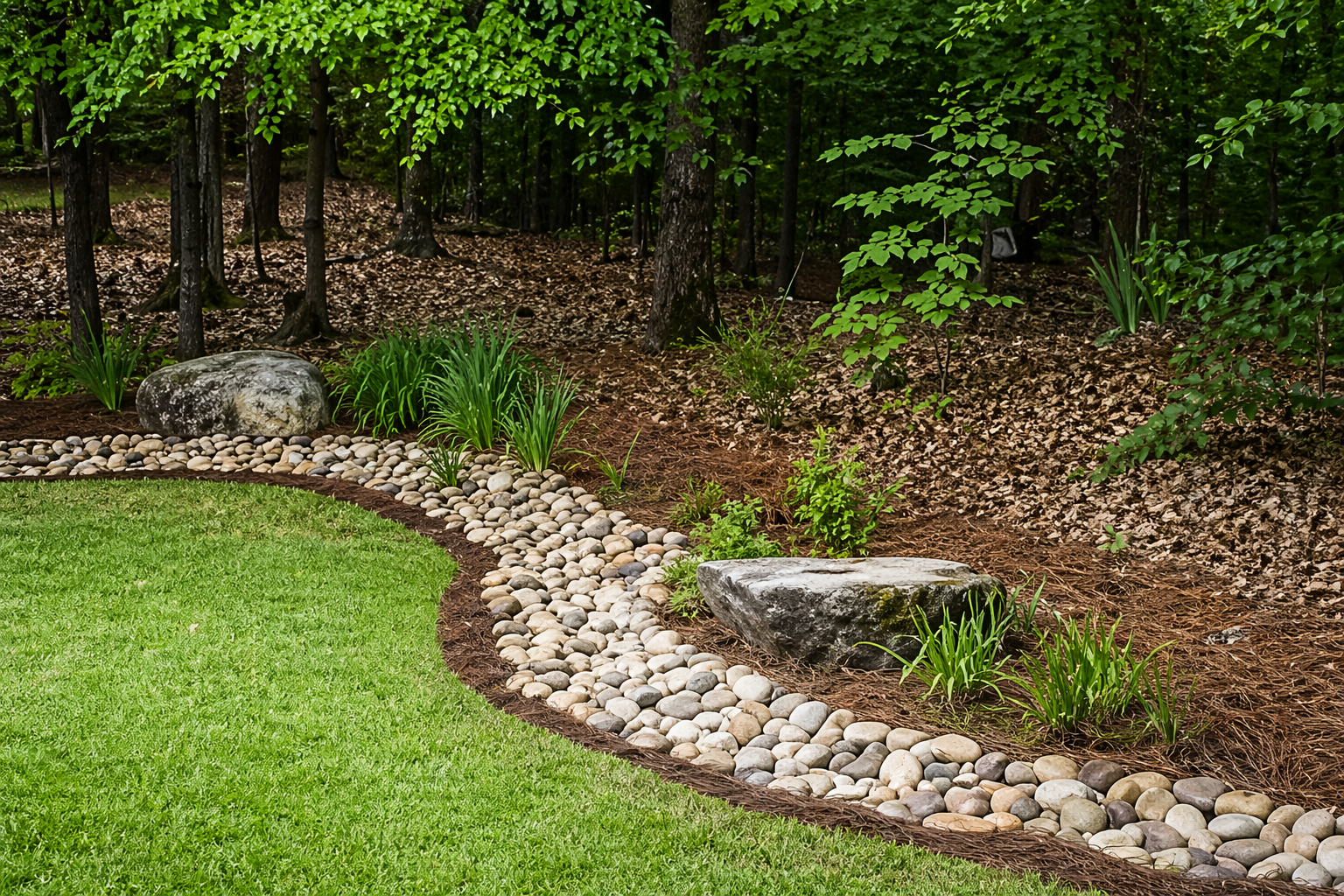
That could mean redirecting runoff, improving grading, correcting drainage paths, or installing a drainage system where appropriate. If water is already entering the crawlspace, waterproofing measures may also be needed before the space is fully encapsulated.
Before moving forward with crawlspace encapsulation, homeowners should consider asking:
- What is the primary source of moisture in the crawlspace?
- Is water entering because of exterior drainage problems?
- Does the crawlspace need waterproofing before encapsulation?
- Will the existing insulation need to be removed or replaced?
- How will vents and other openings be sealed?
- What type of vapor barrier will be used?
- Is a dehumidifier recommended for this particular space?
- Are there any plumbing leaks or structural concerns that should be repaired first?
A properly planned crawlspace project should address the conditions specific to the home rather than applying the same solution everywhere. One house may mainly need ground moisture control, while another may have a drainage issue that sends rainwater toward the foundation. Understanding that difference can help prevent homeowners from spending money on a solution that only addresses part of the problem.
For homeowners in Marietta and throughout the surrounding North Metro Atlanta area, crawlspace encapsulation can be an effective part of a larger moisture-control strategy. When combined with proper drainage, waterproofing, sealing, and humidity management, it can help create a drier and more stable environment beneath the home.
Terrain & Drain provides drainage, waterproofing, and crawlspace solutions for homeowners throughout Marietta, Woodstock, Kennesaw, Smyrna, Powder Springs, Roswell, Acworth, Austell, Sandy Springs, Dallas, Canton, Alpharetta, and nearby communities. If your crawlspace feels damp, smells musty, or shows signs of ongoing moisture, having the area evaluated can help determine where the water is coming from and what combination of solutions makes the most sense.
The goal is not simply to cover the ground beneath the house. It is to create a crawlspace that is better protected from the moisture sources affecting it. By identifying the cause first and addressing drainage, water intrusion, vapor, and humidity together, homeowners can take a more complete approach to protecting the space beneath their home.
Recent Posts