
Waterproofing Services
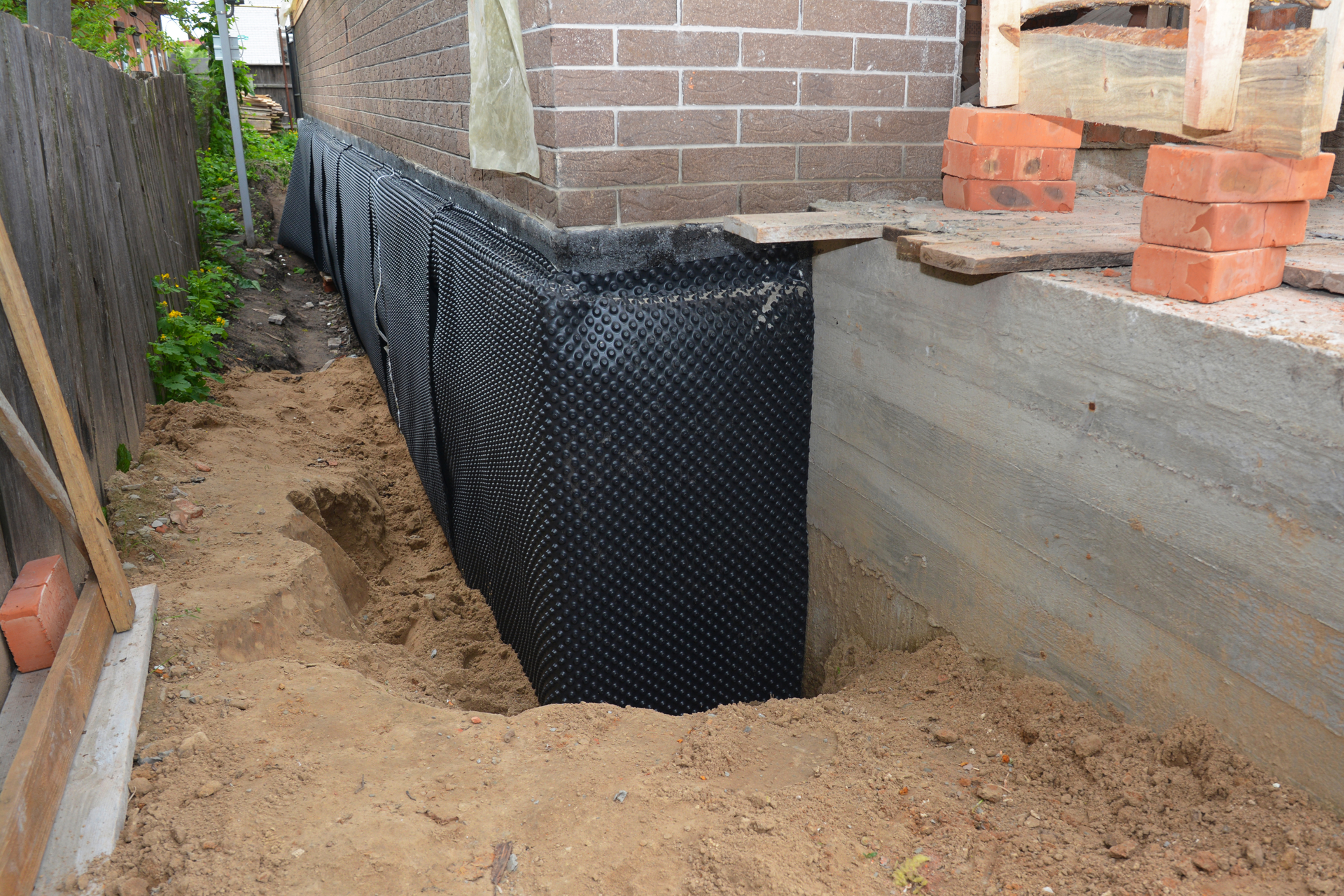
Water intrusion can lead to serious structural issues, mold growth, and costly repairs if not addressed early. At Terrain and Drain, we provide professional waterproofing services in Marietta, GA designed to keep your home or commercial property dry, secure, and protected year-round. Our crawl space waterproofing and foundation waterproofing solutions are tailored to prevent water from entering vulnerable areas and to protect your property from long-term damage.
Our team evaluates your property to identify moisture risks and implements proven waterproofing and drainage solutions in Marietta, GA, including sealing, moisture barriers, and proper water redirection systems. By combining expert waterproofing with effective drainage strategies, we help safeguard your foundation, improve indoor air quality, and deliver reliable protection you can count on.
Protect Your Property from Water Damage
Every property in Marietta, GA faces different challenges when it comes to moisture and water intrusion. Our team carefully evaluates your home or building to identify problem areas and implement the most effective waterproofing services and drainage solutions in Marietta, GA. Whether you’re dealing with minor leaks, crawl space moisture, or ongoing water intrusion issues, we provide proven crawl space waterproofing and foundation protection solutions that deliver long-lasting results and reliable protection.
Benefits of Waterproofing
Prevents water damage and costly repairs
Protects your foundation and structural integrity
Reduces mold and mildew growth
Improves indoor air quality
Helps maintain property value
Common Questions About Waterproofing Services
What is waterproofing?
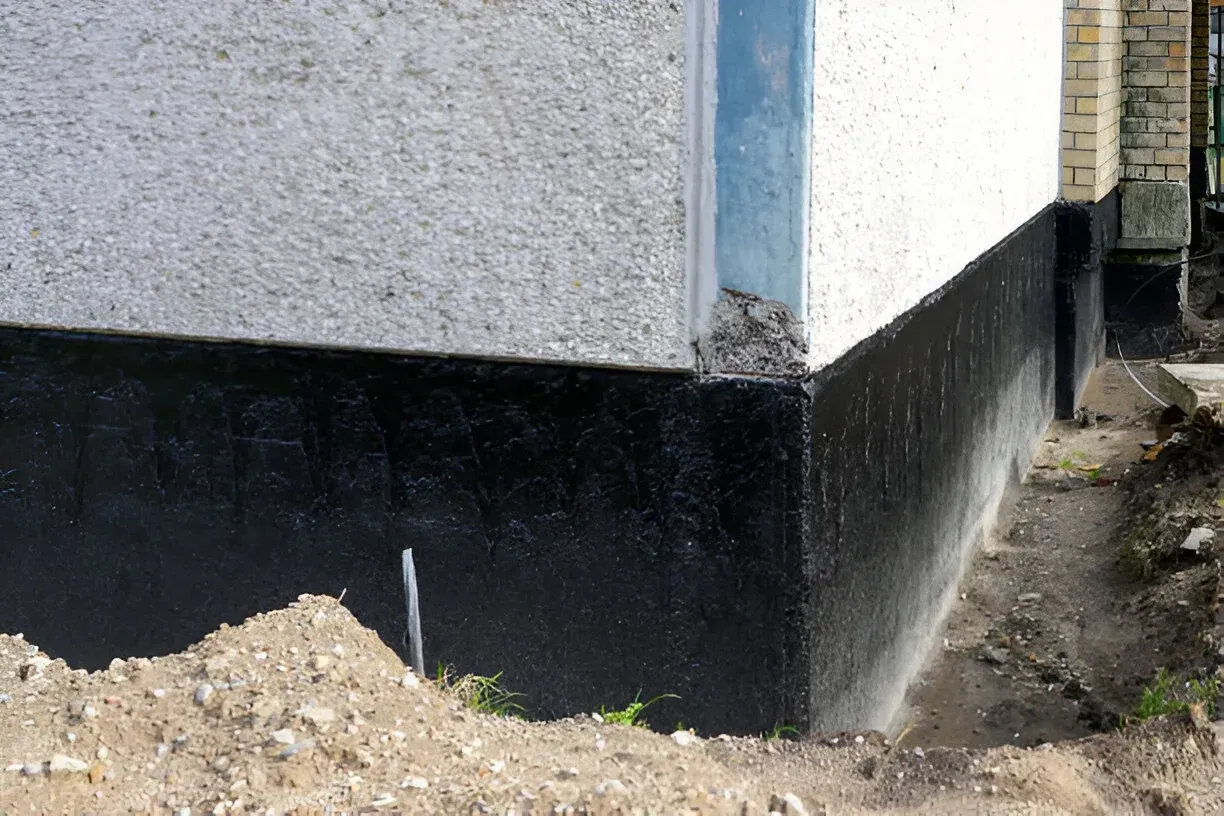
Waterproofing is the process of protecting your property from water intrusion by sealing vulnerable areas such as foundations, basements, and walls.
How do I know if my property needs waterproofing?
Common signs include basement leaks, damp walls, musty odors, mold growth, or visible water stains inside your home or building.
What areas of a property can be waterproofed?
We commonly waterproof foundations, basements, crawlspaces, and exterior walls where water intrusion is most likely to occur.
What causes water damage in homes and buildings?
Water damage is often caused by poor drainage, cracks in the foundation, heavy rainfall, or improper grading around the property.
How long does waterproofing last?
When properly installed using high-quality materials, waterproofing systems can last for many years and provide long-term protection against moisture.
Our Marietta, GA Waterproofing Services Include:
- Foundation waterproofing
- Basement sealing
- Moisture barrier installation
- Leak detection and prevention
- Water intrusion control systems
Keep Your Property Dry and Protected
Don’t let water intrusion compromise your home or business. Trust Terrain and Drain for expert waterproofing services in Marietta, GA and crawl space waterproofing solutions that provide lasting protection, prevent moisture damage, and give you peace of mind year-round. We also offer Home Waterproofing services across Woodstock, Kennesaw, Smyrna, Powder Springs, Roswell, Acworth, Austell, Sandy Springs, Dallas, Canton, and Alpharetta, GA.